
Optimal Timing for Tree Removal
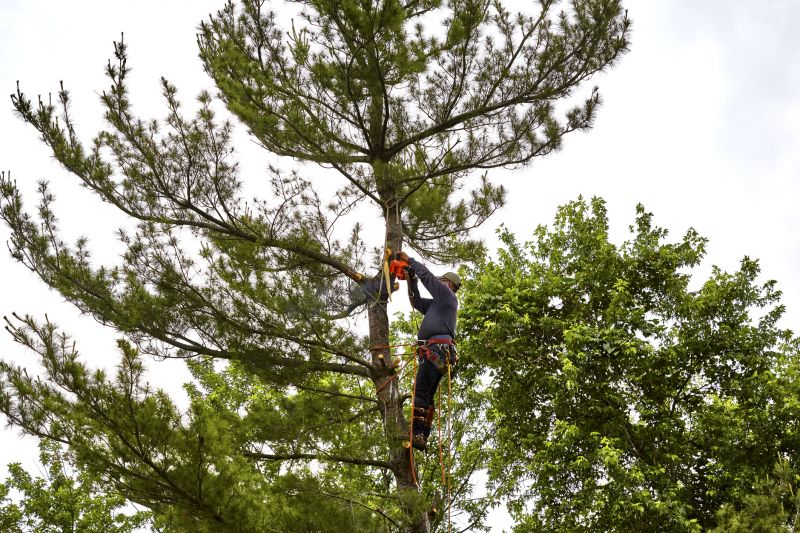
Spring offers moderate weather conditions ideal for tree removal, reducing risks associated with extreme heat or cold.
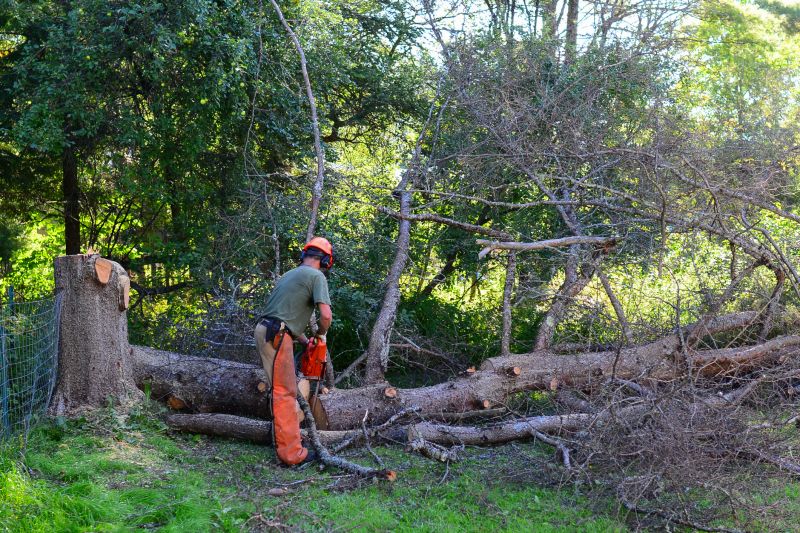
Summer may present challenges like high temperatures and increased foliage, making removal more difficult and potentially riskier.
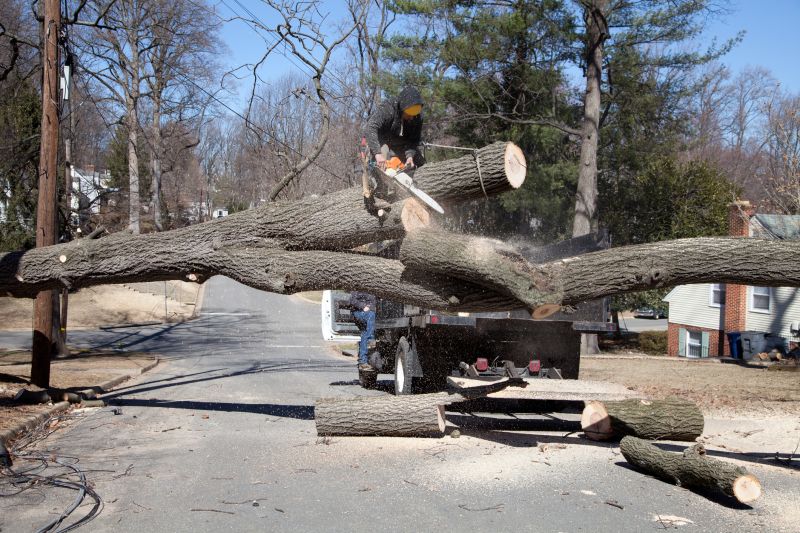
Fall provides cooler temperatures and less foliage, facilitating safer and more efficient removal processes.
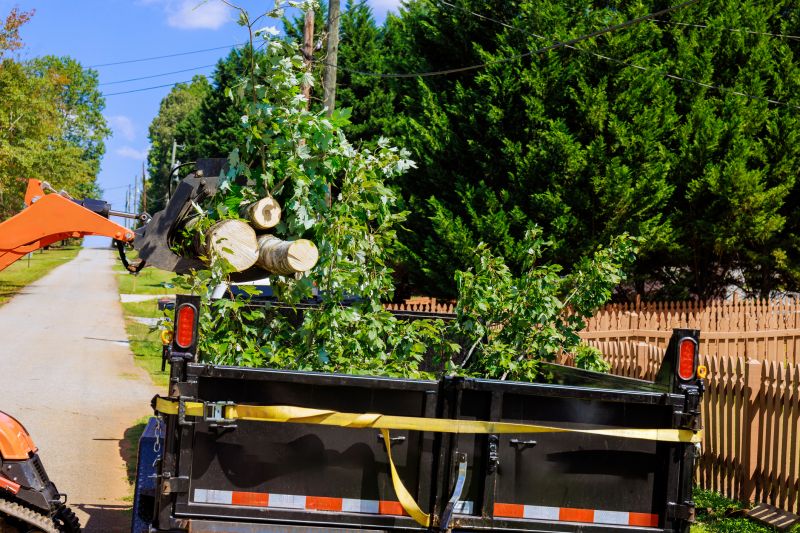
Ways to make Tree Removals work in tight or awkward layouts.
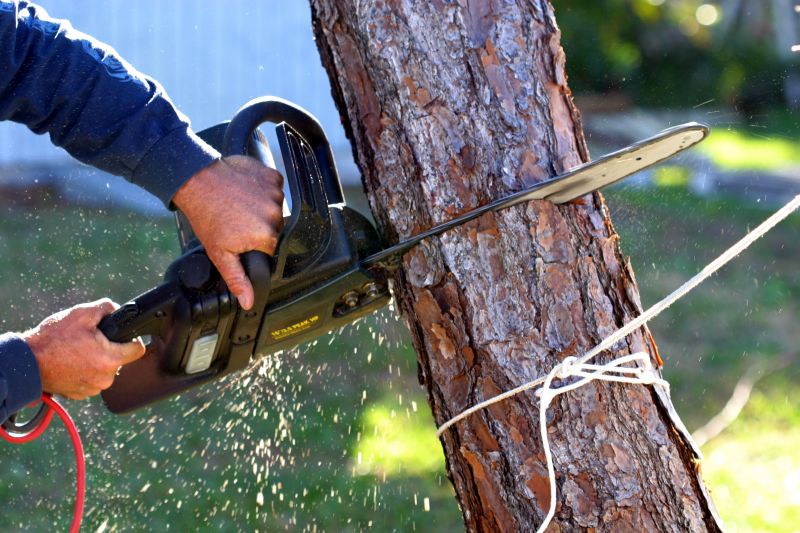
Popular materials for Tree Removals and why they hold up over time.
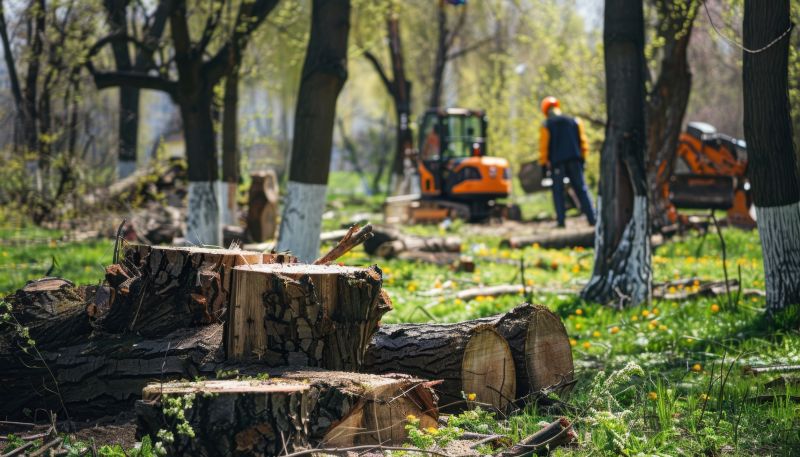
Simple add-ons that improve Tree Removals without blowing the budget.
Tree removals are a critical part of landscape management, ensuring safety and health of surrounding vegetation. The timing of removal impacts the safety, cost, and success of the process. Proper planning based on seasonal conditions can minimize risks and improve outcomes.
Statistics indicate that the majority of tree removals occur during late fall and winter, when weather conditions are more predictable and foliage is minimal. This timing allows for easier access and less disruption to nearby structures or landscapes.
Choosing the right season for tree removal can reduce complications such as soil compaction, equipment difficulty, and tree stress.
Rain, snow, and extreme temperatures can delay or complicate removal efforts, emphasizing the importance of seasonal planning.
Certain tree species are best removed during dormancy periods to prevent disease spread and promote healthier landscapes.
Off-season removals may be more cost-effective due to favorable weather and less demand for services.
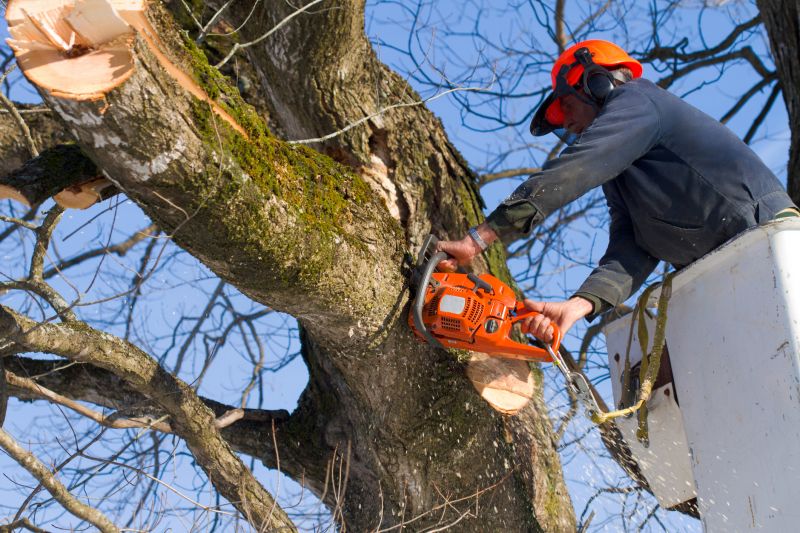
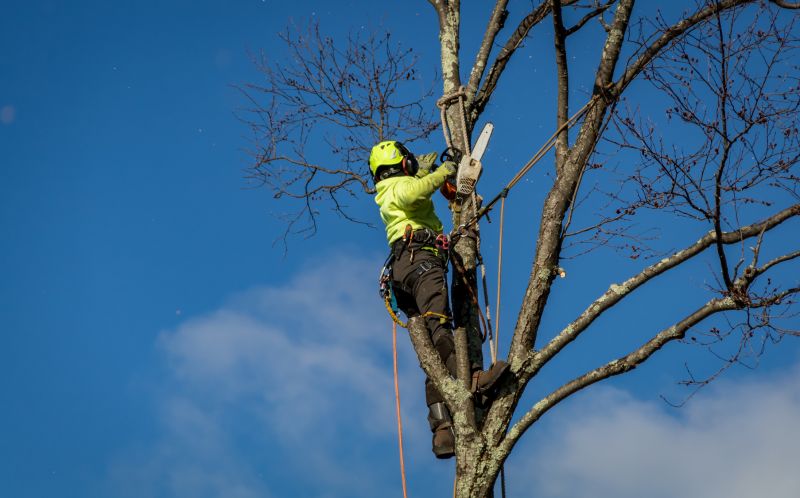
Specialized tools are used for safe and efficient tree removal across different seasons.
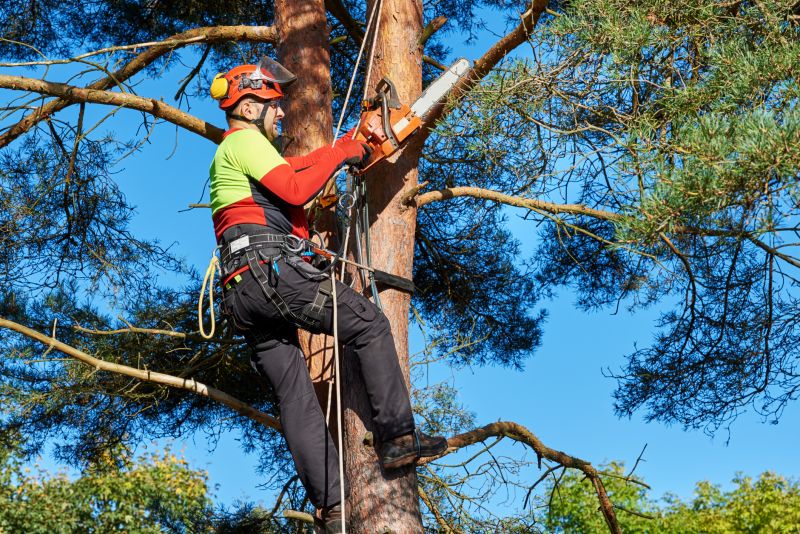
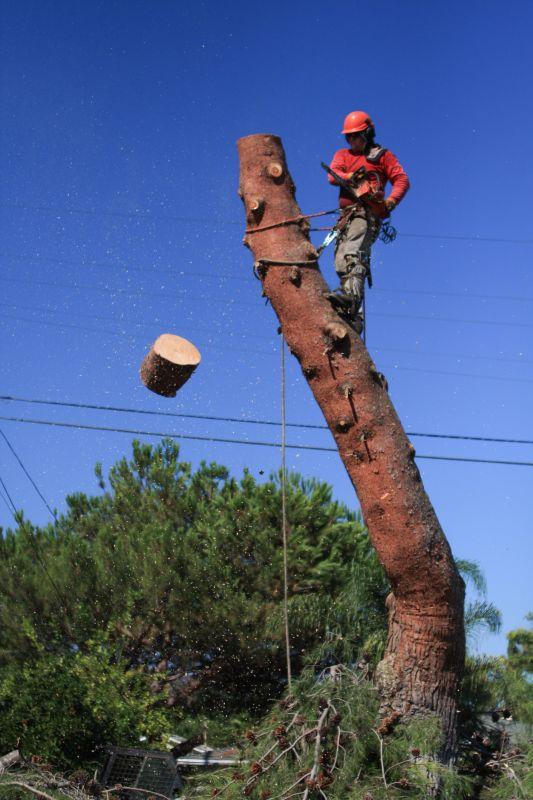
Proper techniques are essential for minimizing damage and ensuring safety during removal.
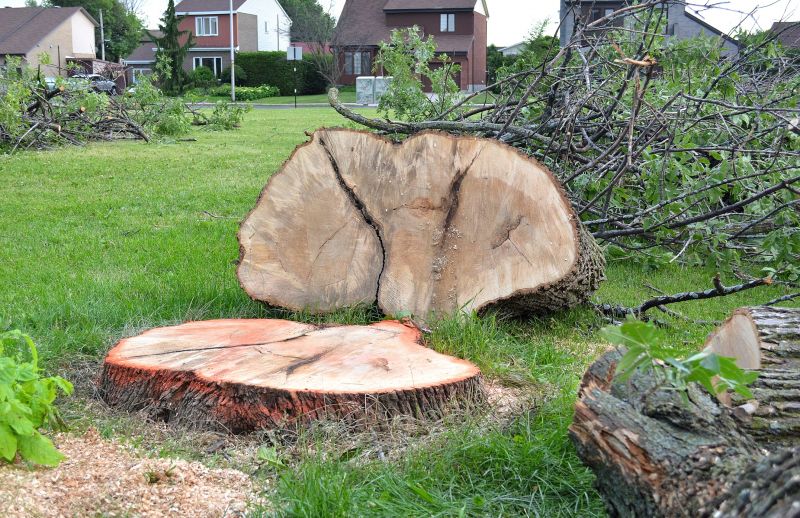
Stump removal can be performed concurrently or separately, depending on timing and site conditions.
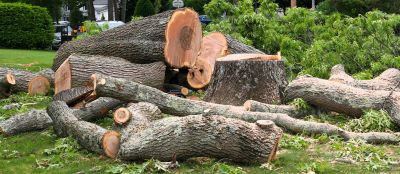
Site cleanup and restoration are crucial after removal, especially in high-traffic areas.
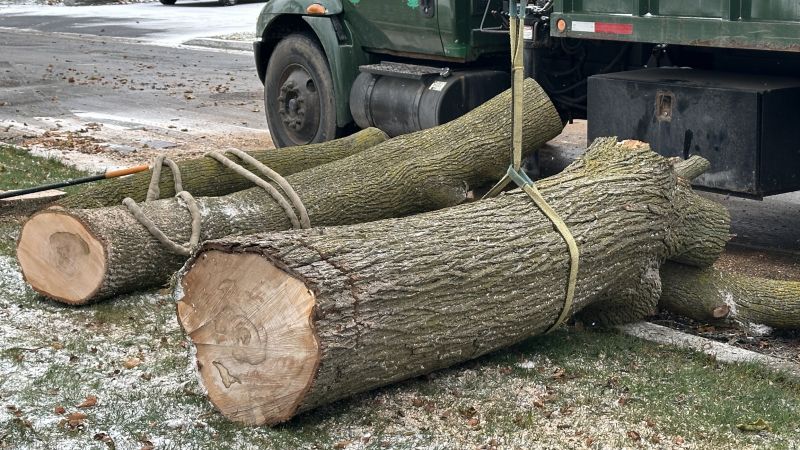
High-end options that actually feel worth it for Tree Removals.
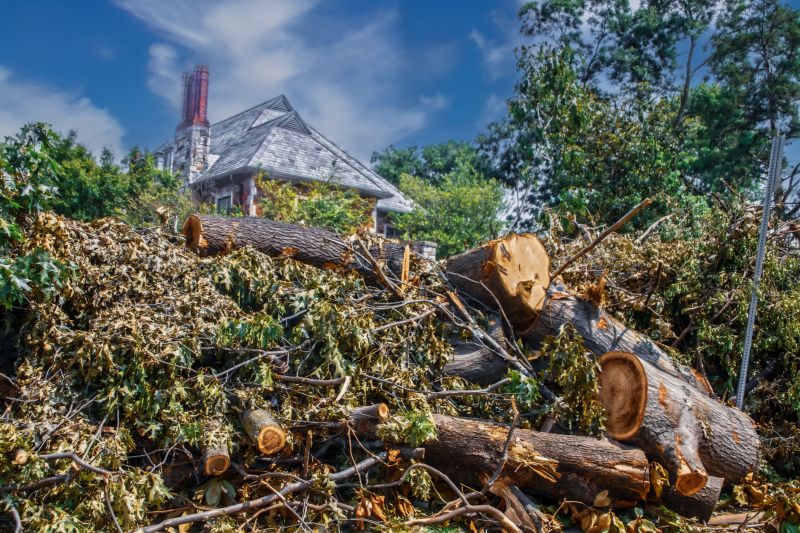
Finishes and colors that play nicely with Tree Removals.

Little measurements that prevent headaches on Tree Removals day.
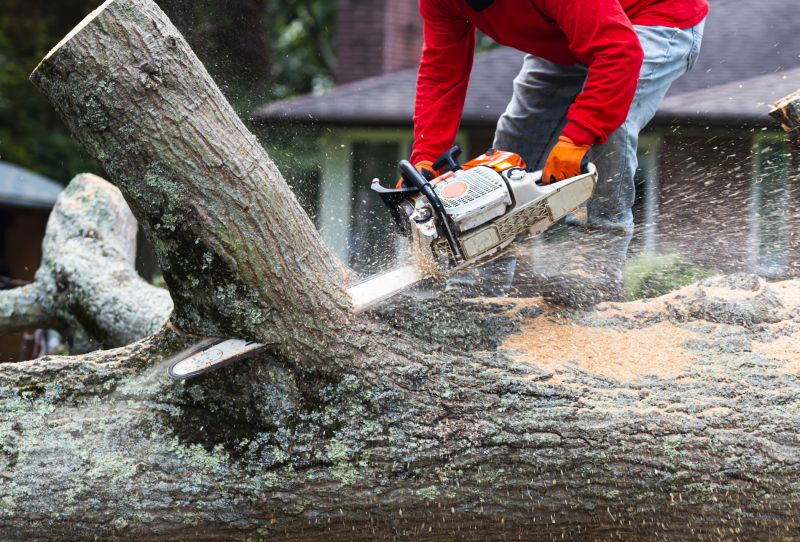
A 60-second routine that keeps Tree Removals looking new.
| Season | Advantages |
|---|---|
| Spring | Moderate weather, active growth period for healthy trees |
| Summer | Longer daylight hours, but high temperatures and foliage density |
| Fall | Cooler temperatures, less foliage, ideal for safety and efficiency |
| Winter | Minimal foliage, stable weather, best for safety and access |
Understanding the optimal timing for tree removal can lead to safer, more cost-effective, and environmentally sound practices. Consulting with a professional can help determine the best season based on local climate and tree species.
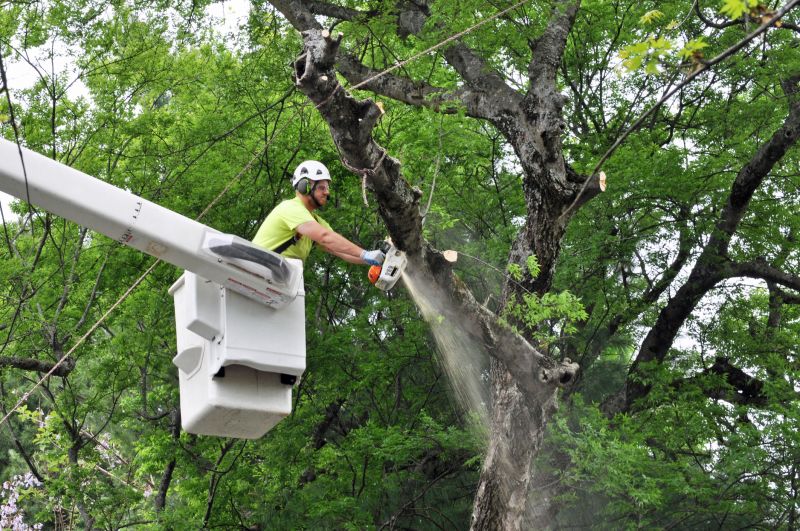
Effective planning considers seasonal factors to ensure safety and efficiency.
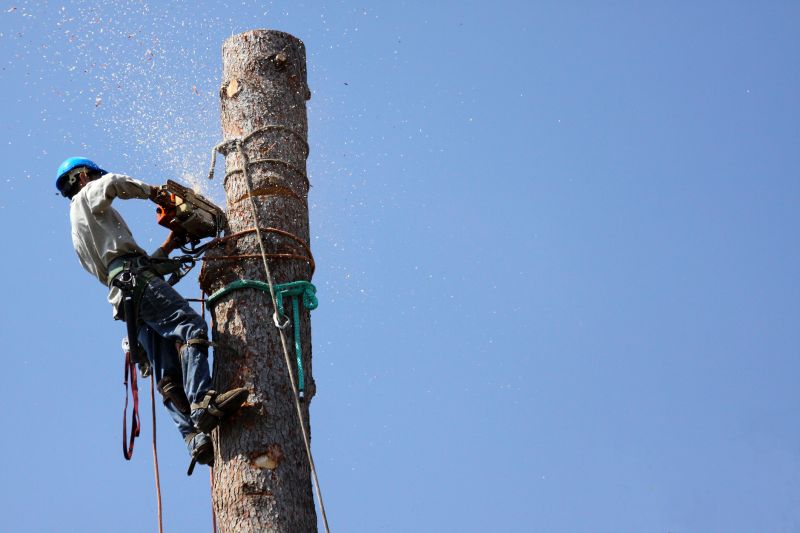
Assessing tree health helps determine the best removal timing to prevent disease spread.
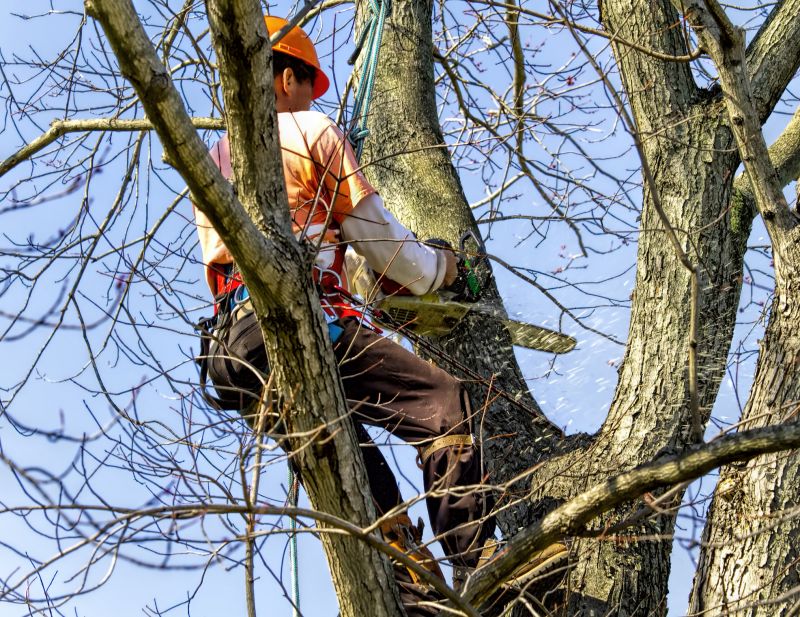
Proper use of machinery during optimal seasons enhances safety and reduces damage.
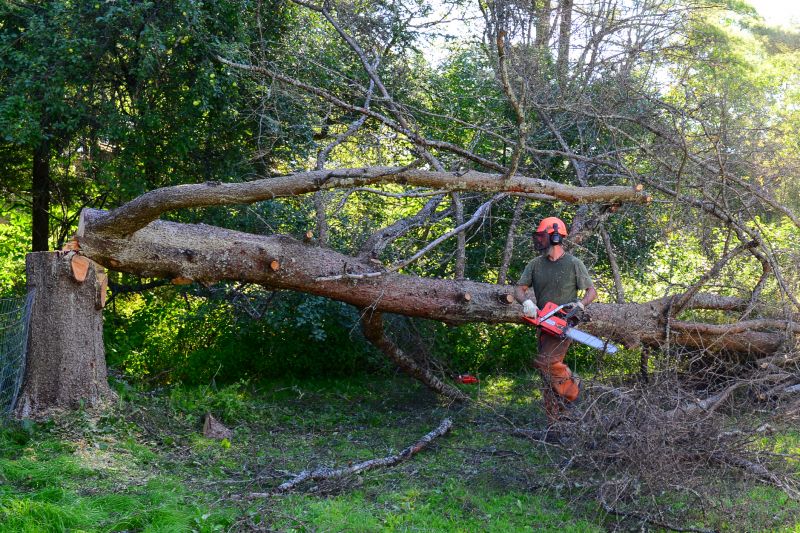
Restoration and cleanup are vital after tree removal to maintain landscape integrity.
A frequent mistake in Tree Removals and how to dodge it.
Small tweaks to make Tree Removals safer and easier to use.
Lower-waste or water-saving choices for Tree Removals.
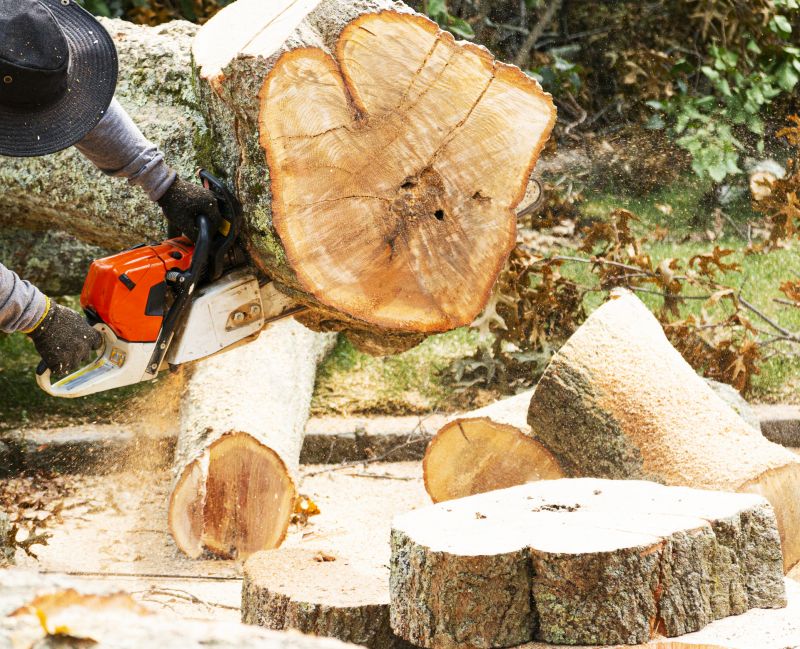
The short, realistic tool list for quality Tree Removals.
Interested in scheduling a tree removal? Filling out the contact form provides an opportunity to discuss timing options and receive tailored advice for property safety and landscape health.