
Popular Tree Removal Products For Safe and Easy Tree Clearing
Discover top-rated tools and gear that help you handle tree removal projects with confidence and precision every time.
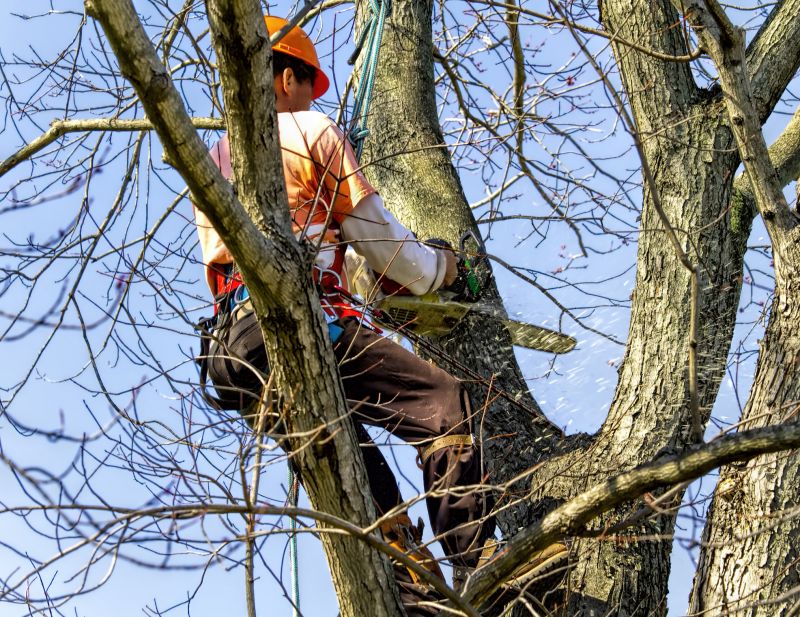 Tree removal is a task that often requires specialized equipment and careful planning to ensure safety and efficiency. Whether dealing with hazardous branches, dead trees, or clearing space for new landscaping, selecting the right tools and products is essential. From manual hand tools to powerful machinery, there are a variety of options available to suit different needs and levels of expertise. Proper safety gear and accessories should always accompany these tools to minimize risks during operation.
Top Overall Option
Heavy-Duty Chainsaw
A versatile and powerful tool suitable for a wide range of tree removal tasks, a heavy-duty chainsaw offers reliable performance for cutting through thick trunks and large branches. Its robust motor and durable chain make it an essential piece of equipment for both professionals and experienced DIY enthusiasts. When choosing a chainsaw, consider safety features such as chain brakes and anti-vibration handles to enhance user safety and comfort during extended use.
Types of Products For Tree Removals
Chainsaws
Powerful cutting tools designed for felling and limb removal, available in gas, electric, and battery-powered models.
Pole Pruners
Extendable tools ideal for trimming high branches without the need for ladders, featuring manual or powered options.
Hand Saws
Manual saws suitable for smaller branches and detailed pruning work, offering precision and control.
Loppers
Long-handled pruning tools that allow for cutting thicker branches with leverage, useful for mid-sized limbs.
Rope and Rigging Gear
Essential for safely lowering large branches or trunks, includes ropes, pulleys, and harnesses.
Tree Climbing Gear
Harnesses, spikes, and safety ropes designed for professional arborists to access and work on tall trees.
Debris Chippers
Machines that convert branches and small trunks into mulch, aiding in cleanup and disposal.
Stump Grinders
Specialized equipment for grinding down remaining tree stumps after removal.
Protective Gear
Safety helmets, gloves, eye protection, and ear protection to ensure safety during tree removal activities.
Ladders and Scaffolding
Support tools for reaching high branches safely, especially in residential or delicate environments.
Chainsaw Accessories
Sharpening stones, replacement chains, and oil for maintaining chainsaw performance.
Tree Removal Kits
Comprehensive sets that include multiple tools and safety equipment for complete removal projects.
Hydraulic Log Splitters
Powerful machines for splitting large logs into manageable pieces after cutting.
Aerial Lifts
Equipment such as cherry pickers or bucket trucks for high-reaching tree work, often used by professionals.
Mulching Equipment
Tools for shredding branches and foliage into mulch, facilitating disposal and landscape use.
Tree Felling Wedges
Metal wedges inserted into cuts to guide the fall of a tree and prevent pinching of chainsaws.
Popular Choices
Battery-powered chainsaws offering portability and convenience for smaller to medium tasks.
Lightweight, extendable tools perfect for reaching high branches without ladders.
Compact and easy to use for detailed pruning and trimming work.
Strong, durable ropes for rigging and lowering large branches safely.
Comfortable and secure harnesses designed for professional arborists or serious DIY enthusiasts.
Compact chipping machines suitable for smaller cleanup jobs.
Attachments for skid steers and excavators to efficiently grind down stumps.
Essential safety gear to protect against falling debris and chainsaw accidents.
Accessories that enhance ladder stability during high work.
Replacement parts to maintain cutting efficiency.
Complete sets including gloves, helmets, eye protection, and harnesses.
Popular for splitting large logs quickly after cutting.
Mobile lifts for reaching tall trees safely.
Specialized blades for chippers to handle various branch sizes.
Multiple wedges for guiding and controlling tree falls.
Tools and guides to assist in safe and precise tree felling.
Manual or powered winches for pulling or lowering heavy limbs.
Tools to detach large limbs with minimal damage.
Understanding the scope of the project helps in choosing appropriate equipment. Smaller residential jobs might only need pruning saws or pole pruners, while larger tree removals could necessitate chainsaws, rigging gear, or even tree removal services with heavy machinery. It's important to consider the size and type of the tree, the location, and potential hazards such as nearby structures or power lines. Proper planning and the right selection of tools can make the process safer and more manageable.
In addition to the tools themselves, accessories like protective gear, ropes, and harnesses play a vital role in ensuring safety during tree removal. Maintenance and proper storage of equipment prolong their lifespan and ensure they perform effectively when needed. Consulting with professionals or experienced arborists can also provide valuable insights into the best products and techniques for specific tree removal scenarios. Whether tackling small branches or large trunks, the right products can help achieve a safe and efficient removal process.
Key Buying Considerations
- Size and type of the tree to determine the necessary power and tools.
- Safety features such as chain brakes, anti-vibration handles, and protective gear.
- Power source options including gas, electric, or battery-powered equipment.
- Ease of use and ergonomic design, especially for extended work periods.
- Durability and build quality to withstand demanding tasks.
- Compatibility of accessories and replacement parts with existing tools.
- Weight and portability for ease of transport and maneuverability.
- Noise levels, particularly for residential areas and noise-sensitive environments.
- Maintenance requirements and availability of replacement parts.
- Skill level required to operate the equipment safely and effectively.
- Budget constraints balanced with the quality and features needed.
- Availability of training or instructions for specialized tools.
- Environmental conditions where the work will be performed, such as confined spaces or near structures.
- Storage space for equipment when not in use.
- Local regulations or permits related to tree removal and equipment use.